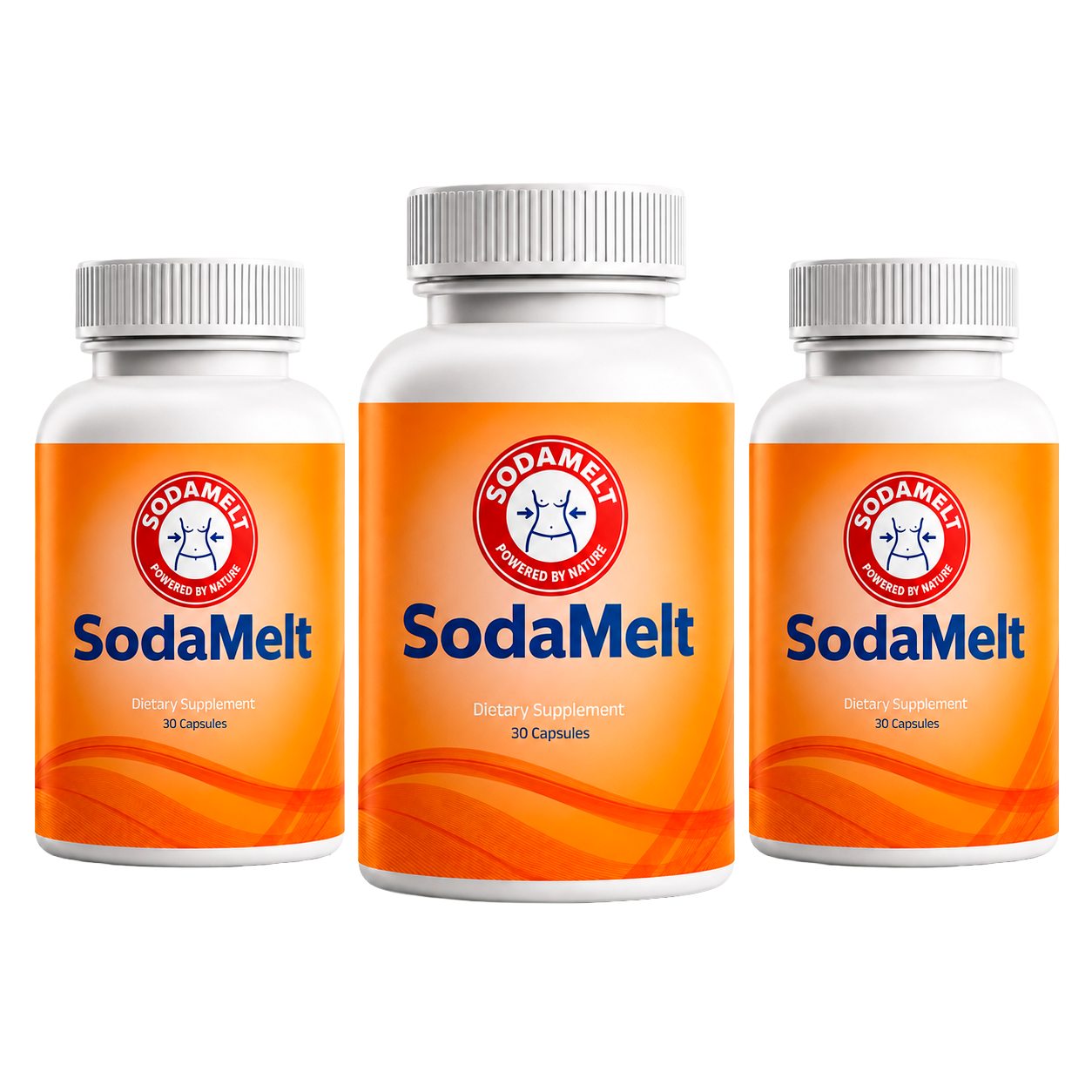
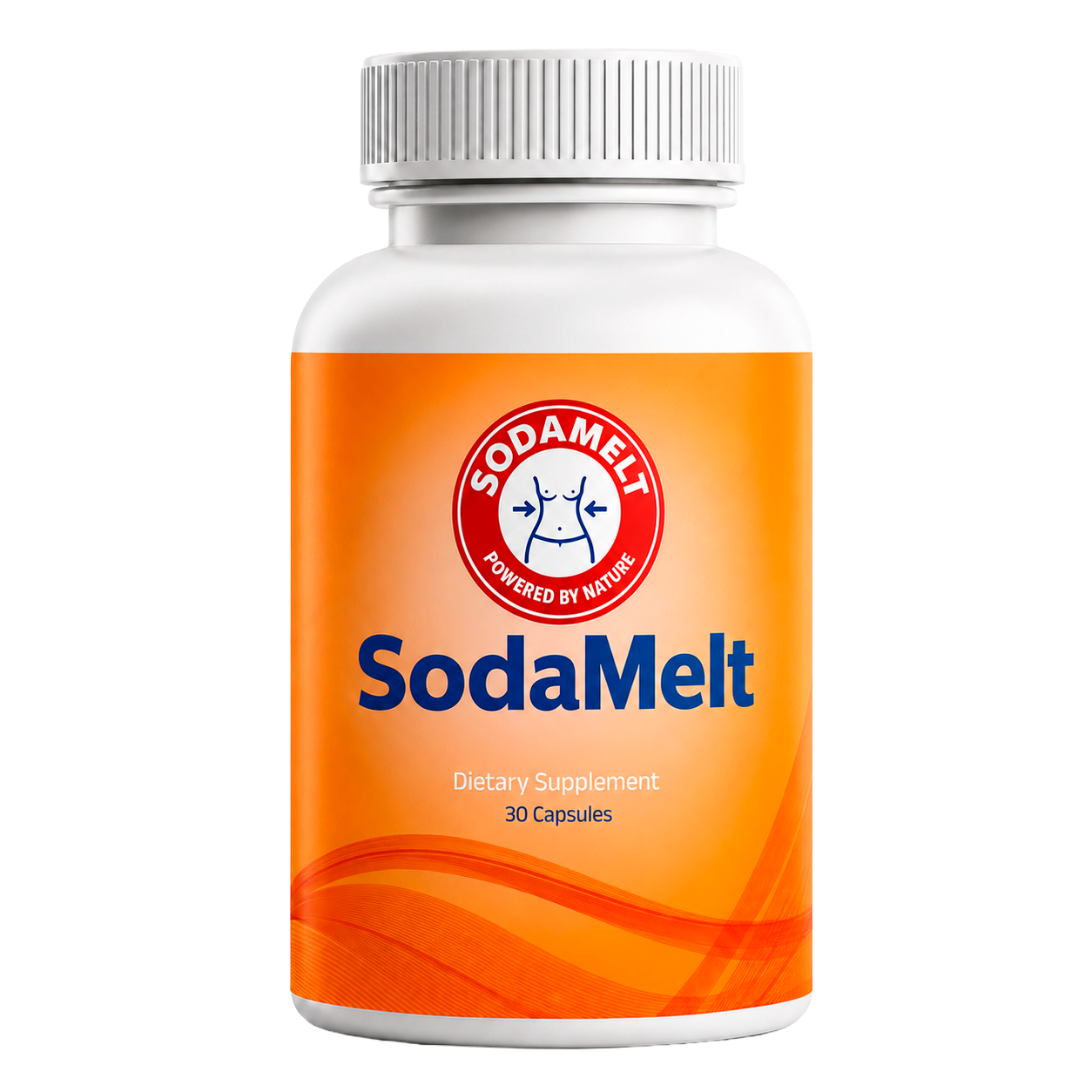
You wake up feeling okay. Flat-ish stomach, jeans buttoned. Then you eat lunch — a normal lunch — and by 3 p.m. your belly is tight and swollen, and you’re unbuttoning under your desk.
By evening you feel heavy, sluggish, puffy. You change into the loose pants. You skip the fitted dress for dinner and reach for the long top that hides your stomach. In photos, you stand behind someone. On the scale, the number swings for no reason you can understand.
You’ve tried cutting carbs, cutting dairy, drinking more water, the apple cider vinegar shots, even the viral baking-soda-in-the-morning trick. Some of it helps for a day or two. Then the bloat comes back.
I’m Dr. Emily Carter. I’ve worked with women and men struggling with this for more than 15 years, and I want you to hear this: that heavy, bloated feeling is not a lack of willpower — and it’s not something you have to just live with.
Very often the problem is what the makers of SodaMelt call digestive buildup: a sluggish digestion that doesn’t move things along the way it should. When that happens, you feel it everywhere — heaviness after meals, a swollen belly, low energy, and that “I just don’t feel light anymore” feeling.
The idea behind SodaMelt is old and simple. For thousands of years, people reached for natural helpers to feel lighter after meals — Ancient Egyptians used natron, a natural soda, in cleansing rituals, and baking soda later became a household digestive remedy. SodaMelt takes that same instinct and pairs it with something more complete: a daily blend of fiber, traditional botanicals and probiotics.
In this review I’ll walk you through what SodaMelt is, what’s inside it, who it may help, who should be careful, and what it really costs. No hype — just what I’d tell a friend over coffee.
If you’re tired of feeling puffy and heavy every single afternoon — keep reading.